

Can government policy really fix the housing shortage, and what does it mean for buyers, sellers, and investors?
The conversation around housing affordability is back in the spotlight. With new policy proposals aimed at addressing the housing shortage, many are asking how these changes could impact the real estate market moving forward, especially in high-demand areas like Fort Lauderdale.
The reality is, housing affordability and supply have become two of the most important forces shaping today’s market. And while policy discussions often feel distant, their effects can ripple quickly into real estate trends.
So what’s actually happening, and what should you be paying attention to?
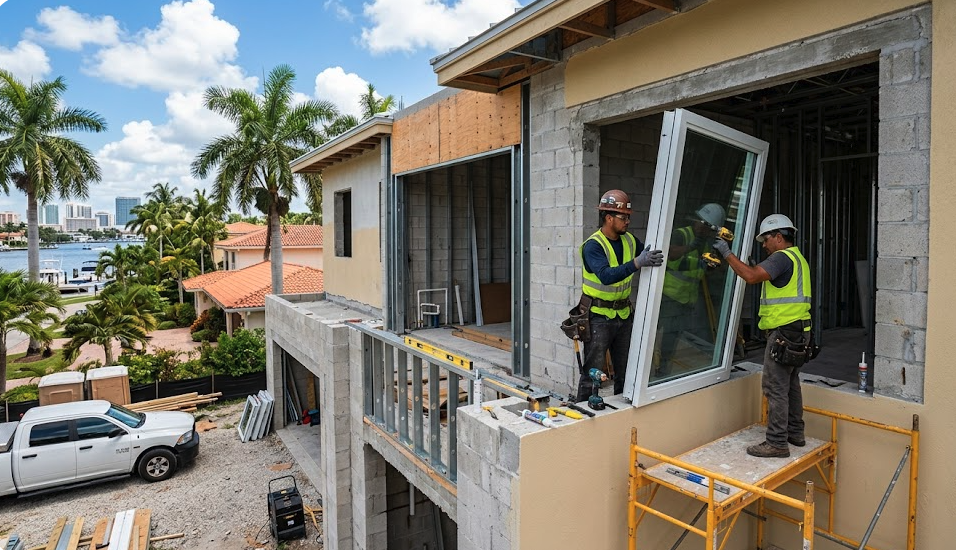
The Housing Shortage: A Problem Years in the Making
The U.S. housing shortage didn’t happen overnight.
For years, the country has faced:
- Underbuilding of new homes
- Rising construction costs
- Zoning and land-use restrictions
- Increased demand from population shifts
The result?
A structural imbalance between supply and demand.
Even as inventory has improved slightly in recent months, the overall market still lacks enough housing to meet long-term needs.
This is one of the main reasons why:
- Home prices have remained elevated
- Affordability continues to be a challenge
- Competition persists in key markets
Why Affordability Remains a Major Concern
Affordability is not just about home prices, it’s about the full cost of ownership.
Today’s buyers are navigating:
- Mortgage rates in the 6% range
- Higher insurance costs
- Increased property taxes in some areas
- Ongoing maintenance and HOA considerations
At the same time, income growth has not kept pace with housing costs in many regions.
This creates a gap, one that policymakers are now trying to address.
What the New Housing Proposals Are Trying to Solve
Recent policy discussions have focused on increasing housing supply and improving affordability.
While specific proposals vary, the core ideas include:
- Encouraging new construction
- Reducing regulatory barriers
- Incentivizing development
- Expanding access to financing
The goal is simple:
👉 Increase supply to reduce pressure on prices.
However, real estate markets don’t respond instantly to policy changes.
Housing is a long-cycle asset, meaning it can take years for new construction or regulatory changes to fully impact inventory levels.
What This Means for the Housing Market
So how do these discussions translate into real estate trends?
1. Supply May Improve, But Slowly
Even with policy support, increasing housing supply takes time. Builders must navigate land costs, labor shortages, and permitting processes.
This means inventory may grow, but not overnight.
2. Prices May Stabilize Rather Than Drop
Increased supply can help ease price growth, but it doesn’t necessarily lead to sharp declines.
Instead, we often see:
- Slower appreciation
- More balanced pricing
- Improved buyer options
3. Market Activity Could Increase
When affordability improves, even slightly, more buyers tend to re-enter the market.
This can lead to:
- Higher transaction volume
- More balanced negotiations
- Increased market confidence
What This Means for Fort Lauderdale
In markets like Fort Lauderdale, these dynamics play out in a unique way.
The area continues to face:
- Limited land availability
- Strong demand for waterfront and lifestyle properties
- Ongoing migration from other states
Even if national supply improves, local constraints can keep inventory tight.
This means:
- Prices may remain relatively strong
- Demand may stay consistent
- Competition may continue in desirable areas
Buyers: A More Strategic Entry Point
For buyers, affordability improvements, combined with potential increases in inventory, can create better opportunities.
Today’s environment offers:
- More time to evaluate properties
- More negotiating power
- Greater transparency in pricing
But preparation remains key.
The most successful buyers are:
- Pre-approved
- Informed about market trends
- Ready to act when the right opportunity appears
Sellers: Pricing and Positioning Matter More Than Ever
For sellers, the shift toward affordability and increased supply means one thing:
👉 The market is becoming more selective.
Homes that are priced correctly and well-presented continue to perform.
Homes that aren’t aligned with current market conditions:
- Sit longer
- Require price adjustments
- Lose buyer momentum
Understanding real estate market trends is critical to achieving strong results.
Investors: Watching Policy and Market Signals
For investors, policy changes and affordability trends are key signals.
A market with:
- Improved affordability
- Gradual supply increases
- Stable demand
…creates opportunities for long-term positioning.
Investors are paying close attention to:
- Development trends
- Rental demand
- Local supply constraints
- Financing conditions
And in markets like Fort Lauderdale, fundamentals remain strong.
The Bigger Picture: A Market in Transition
The housing market today is not defined by extremes.
It’s defined by transition.
We are moving toward:
- More balanced supply and demand
- More stable pricing
- More informed decision-making
This is not a quick shift, it’s a gradual evolution.
At The MPH Team, led by Lourdes Maestres, we see housing affordability and supply as two of the most important drivers of the market moving forward.
While policy discussions can shape long-term trends, local dynamics, especially in Fort Lauderdale, continue to play a critical role.
Understanding both national and local factors is what allows buyers, sellers, and investors to make smarter decisions.
Check out this article next